


Oil and Gas Investments: The Complete Guide for Investors
Tax advantages, portfolio diversification, and commodity-driven income: everything accredited investors need to know about oil and gas investment structures.

Key Takeaway
Oil and gas investments offer accredited investors a distinct combination of tax advantages, portfolio diversification, and commodity-driven income. The federal tax code provides specific incentives for participants in domestic oil and gas production, including first-year IDC deductions that can offset ordinary income, depletion allowances, and favorable active income classification. Consult your CPA to determine how these benefits may apply to your specific situation.
Oil and gas investments offer accredited investors a distinct combination of tax advantages, portfolio diversification, and exposure to a commodity-driven asset class. Unlike most investment categories, the federal tax code provides specific incentives for participants in domestic oil and gas production, including first-year deductions that can potentially offset ordinary income. This guide covers the primary types of investments in oil and gas, their tax treatment, risk factors, and how investors access these opportunities through both cash investment and 1031 exchange structures.
Why Investors Are Looking at Oil and Gas
Most investment portfolios are concentrated in equities, fixed income, and real estate. Oil and gas investments introduce commodity exposure that tends to behave differently from those traditional asset classes, particularly during periods of inflation. Because energy costs are embedded in nearly every sector of the economy, rising oil and gas prices often coincide with broader inflationary pressure, making these investments a natural counterweight in a diversified portfolio.
The tax treatment of oil and gas is also distinctive. Congress has long incentivized domestic energy production through the Internal Revenue Code, creating deductions and allowances that do not exist for stocks, bonds, or most real estate holdings. Intangible drilling cost deductions, depletion allowances, and favorable active income classification give oil and gas investments a tax profile unlike any other asset class. For high-income investors in the top federal brackets, these benefits can materially reduce the effective cost of an investment in the year it is made.
U.S. energy production fundamentals support long-term demand. Domestic oil and natural gas output has grown significantly over the past decade due to shale development and horizontal drilling technology. The expansion of liquefied natural gas (LNG) export capacity has further integrated U.S. production into global energy markets. These structural trends underpin the revenue potential of alternative investments tied to domestic energy production.
Access to oil and gas investments is generally limited to accredited investors through private placements structured under Regulation D. This requirement reflects the illiquid nature and risk profile of most direct participation structures.
Types of Oil and Gas Investments
Oil and gas investments vary significantly in their ownership structure, risk exposure, tax treatment, and liquidity. The five primary types are working interests, royalty interests, mineral rights, direct participation programs, and master limited partnerships.
Working Interests
A working interest is a direct ownership stake in an oil and gas drilling or production operation. The holder of a working interest participates in both the costs and revenues associated with exploration, development, and extraction. This means the investor shares in drilling expenses, lease operating costs, and any revenue generated from production.
From a tax perspective, working interests are classified as active participation under IRC §469(c)(3). This classification is significant because it means income and losses from oil and gas drilling investments are not subject to the passive activity loss rules that limit deductions in most real estate and business investments. Active participants can deduct intangible drilling costs against ordinary income in the year those costs are incurred. The trade-off is higher risk: the investor bears a proportional share of all costs, including the possibility that a well produces little or no commercial output.
Royalty Interests
A royalty interest entitles the holder to a percentage of production revenue from an oil or gas property without any obligation to pay drilling or operating costs. The royalty owner receives income only when the well produces, and bears no liability for operational expenses or environmental obligations.
There are two common forms. A landowner royalty is the interest retained by the mineral owner when leasing to an operator. An overriding royalty interest (ORRI) is carved out of the working interest and typically granted to geologists, landmen, or other parties involved in the deal. Royalty interests provide a passive income stream and qualify for depletion allowances, but they generally do not qualify for intangible drilling cost deductions because the holder is not an active participant in operations.
Mineral Rights
Mineral rights represent ownership of the subsurface resources beneath a tract of land. The mineral owner holds executive rights, meaning the authority to lease the property to an operator, negotiate bonus payments and royalty rates, and participate in development decisions. When leased, mineral rights generate royalty income. When held unleased, they represent a long-term asset with potential future value tied to exploration activity and commodity prices.
A critical distinction for investors considering a 1031 exchange is that mineral rights may be classified as real property under IRC §1031. This means an investor who sells appreciated real estate may be able to exchange into mineral rights and defer the capital gains tax that would otherwise be due. This qualification makes mineral rights one of the few oil and gas investment structures available through a like-kind exchange.
Direct Participation Programs (DPPs)
A direct participation program is a limited partnership structure designed for oil and gas drilling investments. In a typical DPP, the investor enters as a limited partner (LP) and a professional operator serves as the general partner (GP). The GP manages all drilling and production operations, while the LP contributes capital and receives pass-through tax benefits.
DPPs are structured to deliver the tax advantages associated with oil and gas production, including intangible drilling cost deductions, tangible equipment depreciation, and depletion allowances. Because income and deductions flow through to investors on a Schedule K-1, DPPs offer a tax-efficient vehicle for high-income individuals seeking current-year deductions against ordinary income. These programs are offered as private placements to accredited investors and are illiquid by nature, with hold periods that typically span the productive life of the wells.
Master Limited Partnerships (MLPs)
Master limited partnerships are publicly traded entities that operate primarily in the midstream segment of the oil and gas industry, including pipelines, storage facilities, and processing plants. MLPs trade on public exchanges, providing liquidity that is absent from working interests, royalty interests, and DPPs.
MLP unit holders receive tax-advantaged distributions, a portion of which may be classified as return of capital. However, MLPs are not direct production investments, and their income characteristics differ from those of upstream drilling programs. MLPs do not qualify for 1031 exchange treatment because they are classified as securities, not real property. They are mentioned here for context but are outside the scope of most private oil and gas investment programs.
Quick Comparison: Oil and Gas Investment Types
| Type | Ownership | Tax Benefits | Liquidity | 1031 Eligible |
|---|---|---|---|---|
| Working Interest | Direct operational | IDCs, depletion | Illiquid | Potentially (as real property lease) |
| Royalty Interest | Revenue share | Depletion | Illiquid | Potentially (as real property) |
| Mineral Rights | Subsurface property | Depletion | Illiquid | Yes |
| DPP | LP share | IDCs, depletion, depreciation | Illiquid | No (partnership interest) |
| MLP | Publicly traded units | Tax-advantaged distributions | Liquid | No (securities) |
Tax Advantages of Oil and Gas Investments
The federal tax code provides several incentives for investors in domestic oil and gas production. These provisions were designed to encourage exploration and development of energy resources, and they remain among the most favorable tax treatments available in any investment category.
Intangible Drilling Cost (IDC) Deductions
Under IRC §263(c), investors who hold a working interest in an oil or gas well can elect to deduct intangible drilling costs in the year those costs are incurred. IDCs include expenses that have no salvage value after drilling is complete: labor, chemicals, drilling mud, site preparation, surveys, and related services. These costs typically represent 60% to 80% of the total cost of drilling a well.
The deduction is available at 100% in the first year for domestic wells, and it applies against ordinary income for active participants. For investors in the highest federal tax brackets, this can translate to a significant reduction in taxable income in the year of investment.
Tangible Drilling Cost Depreciation
The remaining 20% to 40% of drilling costs are classified as tangible: physical equipment such as casing, wellheads, pumps, and storage tanks. These assets are depreciated under the Modified Accelerated Cost Recovery System (MACRS) over a seven-year schedule. While the deduction is spread over multiple years rather than taken upfront, it adds a secondary layer of tax benefit on top of the IDC deduction. Investors should consult with their tax advisors about the current status of bonus depreciation provisions, which may allow accelerated recovery of tangible costs in certain years.
Depletion Allowances
Depletion is the oil and gas equivalent of depreciation, accounting for the reduction in a mineral reserve as resources are extracted. There are two methods.
Cost depletion calculates the deduction based on the investor's adjusted basis in the property divided by the estimated recoverable reserves, multiplied by the units produced and sold during the tax year. This method is limited to the investor's remaining basis.
Percentage depletion allows independent producers and royalty owners to deduct 15% of gross production income from the property, regardless of the original cost basis. This is a unique feature: unlike cost depletion, percentage depletion can continue to generate deductions even after the investor's entire basis has been recovered. Few other investment categories offer a deduction that exceeds the amount originally invested.
Active vs. Passive Income Treatment
One of the most significant tax distinctions in oil and gas is the treatment of working interest income under IRC §469(c)(3). Income and losses from a working interest in an oil or gas property are classified as active, not passive, provided the taxpayer does not hold the interest through a limited partnership. This exemption from the passive activity rules means that losses from oil and gas operations can offset wages, business income, and other forms of active income. By contrast, most real estate losses are classified as passive and can only offset passive income. Investors should work with a qualified CPA to determine how their specific ownership structure affects this classification.
This article is for educational purposes only and does not constitute tax advice. Tax treatment depends on individual circumstances. Consult a qualified tax professional before making investment decisions based on tax considerations.
Two Paths Into Oil and Gas: Cash Investors vs. 1031 Exchanges
Oil and gas investments serve two distinct investor profiles: those deploying cash and those using a 1031 exchange to defer capital gains from a real estate sale. Each path leads to a different set of structures, tax benefits, and investment objectives.
Path 1: Cash Investment (Working Interests and DPPs)
Investors who commit cash directly into oil and gas typically enter through working interests or direct participation programs. The primary motivation is access to first-year tax deductions. In limited partnership DPPs, IDC deductions generate passive losses that can shelter passive income from real estate and other investments in the year the capital is deployed. Direct working interest holders may deduct against active income under IRC Section 469(c)(3), but this structure requires the investor to accept unlimited personal liability, potential capital calls, and other operational risks that most passive investors prefer to avoid. Consult a qualified CPA to determine which structure is appropriate for your situation.
These programs are offered as private placements to accredited investors. Minimum investment amounts vary by program and operator but generally range from $25,000 to $100,000 or more. Cash investors should evaluate the operator's drilling track record, the cost structure of the program, and the potential distribution timeline before committing capital.
This path is best suited for high-income individuals who are seeking current-year tax deductions and are comfortable with the illiquidity and risk profile of direct energy investments.
Path 2: 1031 Exchange (Mineral Rights)
Investors who have sold or are planning to sell appreciated real estate can use a 1031 exchange to defer capital gains taxes by acquiring mineral rights as replacement property. Because mineral rights may be classified as real property under IRC §1031, they may satisfy the like-kind requirement when exchanged for other real property. Consult a qualified tax advisor to confirm eligibility for your specific situation.
This path allows an investor to exit a real estate position and transition into commodity-based income without triggering an immediate tax liability. Mineral rights programs structured for 1031 exchange investors provide the documentation, timelines, and qualified intermediary coordination necessary to complete the exchange within the 45-day identification and 180-day closing windows. Investors considering this approach can use tools like Anchor1031's portfolio builder to evaluate how mineral rights fit alongside other replacement property options, including DST investments.
How to Evaluate an Oil and Gas Investment
Due diligence for oil and gas investments differs from real estate or securities analysis. The following factors should form the basis of any evaluation.
- •Operator track record. Examine the operator's drilling success rate, the number of wells completed, years in operation, and the performance of prior programs. An operator with a documented history of successful completions in a specific basin presents a materially different profile than one entering a new play.
- •Basin and play quality. Proven reserves in established formations carry less exploration risk than speculative plays. Investors should ask whether the program targets development wells in known producing areas or exploratory wells in less certain geology.
- •Cost structure transparency. A detailed Authorization for Expenditure (AFE) should itemize expected drilling costs, including the split between intangible and tangible expenses. Vague or aggregated cost projections are a warning sign.
- •Revenue projections. These should be based on clearly stated assumptions about production decline curves, commodity prices, and operating costs. No operator can guarantee specific returns, and any program that presents guaranteed performance figures should be approached with caution. Investors can reference due diligence frameworks adapted for energy investments to organize their evaluation process.
- •Distribution timeline and structure. Investors should understand when initial distributions are expected, how frequently they are paid, and whether distributions are based on net revenue or gross production.
- •Exit provisions. Most oil and gas investments are illiquid, with no secondary market for the investor's interest. The offering documents should specify the expected hold period and any buyback or transfer provisions.
- •Regulatory and environmental compliance. The operator should hold all required permits, maintain appropriate insurance, and demonstrate a track record of compliance with state and federal environmental regulations.
- •Third-party reserve engineering reports. These provide an independent assessment of the property's production potential, estimating recoverable reserves and projecting economic outcomes based on geological and engineering data rather than the operator's marketing materials.
Risks of Oil and Gas Investments
Oil and gas investments carry risks that differ from those in traditional financial markets. Investors should evaluate each risk factor against their own financial situation and risk tolerance.
Commodity price volatility is the most visible risk. Oil and natural gas prices fluctuate based on global supply and demand, geopolitical events, weather patterns, and storage levels. A well that is highly profitable at $80 per barrel may generate minimal returns at $50. Investors have no control over commodity prices, and hedging strategies at the program level vary by operator.
Dry hole risk refers to the possibility that a drilled well does not produce oil or gas in commercial quantities. Even in proven basins, individual wells can underperform due to localized geological conditions. This risk is inherent in any drilling program and represents a potential total loss of the capital allocated to that specific well.
Operational risk encompasses equipment failures, drilling delays, completion problems, and unexpected increases in operating costs. Environmental incidents can result in remediation expenses, regulatory penalties, and production shutdowns.
Illiquidity is a structural feature of most oil and gas investments. Working interests, royalty interests, mineral rights, and DPP positions do not trade on public exchanges. There is generally no secondary market, and investors should expect to hold their position for the full term of the program.
Regulatory and political risk includes changes to environmental regulations, permitting requirements, and federal or state tax policy. New legislation or executive action could affect the economics of production or alter the tax incentives that make these investments attractive.
Operator and counterparty risk is the possibility that the operator managing the investment performs poorly, mismanages costs, or fails to deliver transparent reporting. Investors should evaluate the operator's track record and incentive alignment before committing capital.
Frequently Asked Questions
What is the minimum investment for oil and gas programs?
Minimum investment amounts depend on the program structure and operator. Direct participation programs and working interest offerings typically require minimums ranging from $25,000 to $100,000, though some programs may set higher thresholds. These investments are available only to accredited investors, meaning individuals with a net worth exceeding $1 million (excluding primary residence) or annual income exceeding $200,000 ($300,000 for joint filers) for the past two years.
Are oil and gas investments risky?
Yes. Oil and gas investments carry meaningful risk, including commodity price volatility, dry hole risk, operational challenges, and illiquidity. However, the tax benefits associated with these investments can potentially offset downside scenarios. For example, an investor who deducts 70% of a drilling investment as intangible drilling costs in year one has effectively reduced the amount of capital at risk by the tax savings generated. Risk should be evaluated relative to the investor's overall portfolio, income level, and time horizon.
Can I use a 1031 exchange for oil and gas?
Mineral rights qualify as real property under IRC §1031 and can be acquired as replacement property in a like-kind exchange. This allows investors who sell appreciated real estate to defer capital gains by exchanging into mineral rights. Working interests may also qualify in certain structures, but direct participation program interests (as partnership units) and MLPs (as securities) do not qualify for 1031 exchange treatment. Investors pursuing this path should work with a qualified intermediary and tax advisor to confirm eligibility.
What returns can I expect from oil and gas investments?
Specific potential returns depend on production volumes, commodity prices, operating costs, and the cost structure of the individual program. Securities regulations prohibit guaranteeing or projecting specific returns in private placement offerings. Investors should review the offering documents, including the economic model and its underlying assumptions, and consult with their financial advisor. Historical performance of prior programs by the same operator can provide context but past performance does not guarantee future results.
How are oil and gas investments taxed?
Oil and gas investments offer several tax advantages. Active participants in working interests can deduct intangible drilling costs (typically 60% to 80% of drilling costs) in the first year under IRC §263(c). Tangible equipment costs are depreciated over seven years under MACRS. Depletion allowances (either cost or percentage at 15% of gross income) provide ongoing deductions as resources are extracted. Working interest income is classified as active under IRC §469(c)(3), allowing losses to offset ordinary income rather than being limited to passive income offsets. All tax benefits depend on individual circumstances and should be reviewed with a qualified tax professional.
Next Steps
Oil and gas investments offer accredited investors a differentiated asset class with a tax profile that is difficult to replicate through traditional portfolio holdings. Whether the objective is current-year tax deductions through a cash investment in a drilling program or capital gains deferral through a 1031 exchange into mineral rights, understanding the structures, risks, and evaluation criteria outlined in this guide is an essential first step.
Anchor1031 offers oil and gas investment programs for accredited investors through both cash and 1031 exchange paths. Current offerings are available at the investment marketplace. Investors who want to discuss whether oil and gas fits their specific situation can schedule a consultation with the Anchor1031 team.
Current Oil & Gas Programs
Available through Anchor1031 for accredited investors

Canyon State Minerals, LLC
Canyon State Minerals represents a diversified portfolio of royalty assets historically delivering both income and growth to accredited investors. Canyon State Minerals, LLC, a wholly-owned subsidiar
Montego Minerals

Texakoma Resources Partners ‘26, LP
The primary objective of the Partnership will be to provide investors with the opportunity to realize cash flows and tax benefits by participating with experienced operators in the drilling of oil and
Texakoma Resources, LLC
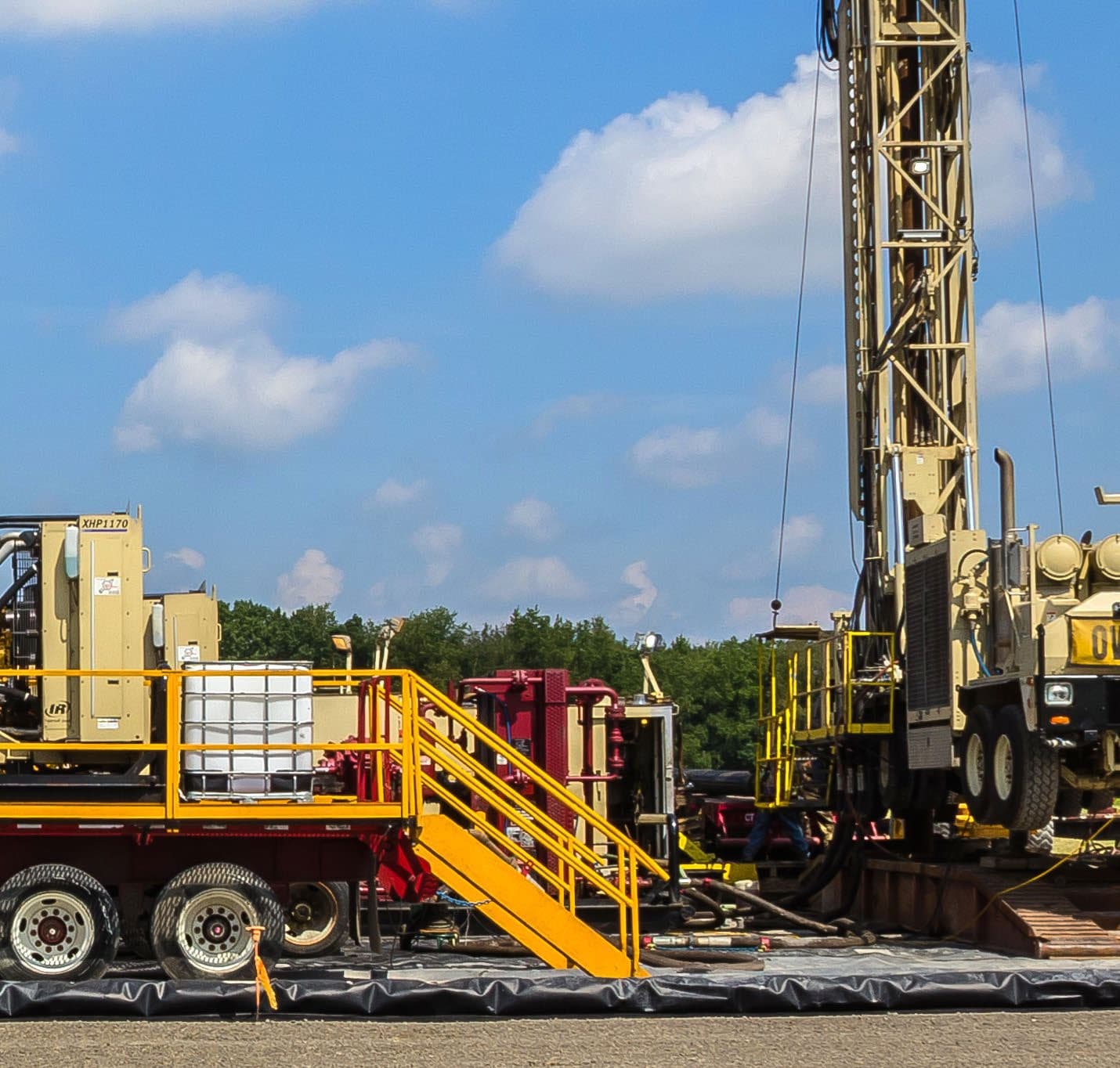
MDS 2026-Shale Development, LP
The Partnership is a Delaware limited partnership formed on October 9, 2025 for the purpose of drilling horizontal wells as discussed below. The Partnership's investment objective is to invest its su
MDS Energy Development, LLC
U.S. Energy Private Capital III LP
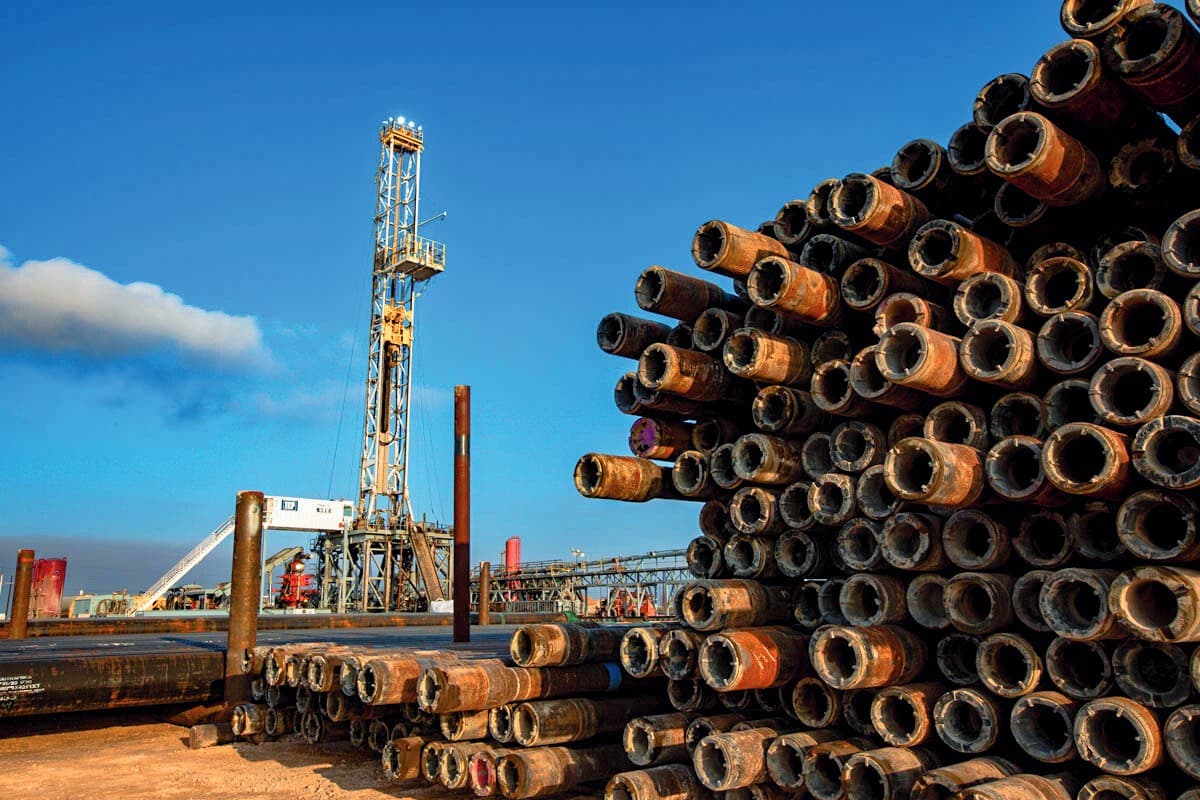
The Partnership is being formed for the purpose of investing in and developing projects in a range of asset classes including oil and gas, Alternative Energy Projects, and other energy-related assets
U.S. Energy Development Corporation

Montego Capital Fund 5 Ltd
Montego's Capital Fund 5 represents an investment portfolio providing accredited investors access to mineral and royalty assets providing both income and growth. The Montego Capital Fund 5 allows inve
Montego Energy Partners, LLC

USEDC Opportunity Zone IV LP
The Partnership aims to generate long-term, tax-advantaged value through active energy development aligned with Opportunity Zone incentives located in designated areas including oil & gas leases, work
U.S. Energy Development Corporation

RGP Income Fund II, LP
RGP Income Fund II, LP, a Delaware limited partnership, has been formed as an oil and gas income and development partnership for the principal purpose of building a portfolio of oil and gas reserves a
Renaissance Growth Partners, LLC

Waveland Resource Partners VIII, L.P..
Waveland Energy Partners specializes in energy-focused investments. Waveland's Total Return Income & Growth Strategy focuses on acquiring minority interests in drill-ready, proven reserves in the Unit
Waveland Energy Partners, LLC
Summary
- Oil and gas investments offer accredited investors tax advantages, commodity diversification, and exposure to domestic energy production through multiple structures including working interests, royalties, mineral rights, and DPPs.
- Intangible drilling cost deductions can offset 60-80% of drilling costs against ordinary income in the first year, and working interest income is classified as active under IRC §469(c)(3).
- Mineral rights qualify as real property under IRC §1031, making them one of the few oil and gas structures eligible for like-kind exchanges.
- Key risks include commodity price volatility, dry hole risk, operational challenges, illiquidity, and regulatory changes.
- Thorough due diligence on operator track record, basin quality, cost structure, and reserve engineering reports is essential before committing capital.
This content is for educational purposes only and should not be construed as tax or investment advice. Consult a qualified financial advisor and tax professional before making any investment decisions. Oil and gas investments involve risk, including the potential loss of principal. Past performance does not guarantee future results.

About the Author
Thomas Wall, Partner
Thomas Wall is a Partner at Anchor1031, where he specializes in educating clients about 1031 exchanges, private real estate offerings, and REITs. With nearly a decade of experience in alternative investments and real estate, Mr. Wall has helped investors through hundreds of 1031 exchanges, placing over $230M of equity into real estate.
Start Your Oil & Gas Learning Journey
Investment Fundamentals & Tax Strategy
Understanding oil and gas investment types, program structures, and the tax advantages that make this asset class unique.
How to Invest in Oil and Gas: A Step-by-Step Guide
Start here: Learn the fundamentals of oil and gas investing, from program selection to due diligence
Direct Participation Programs (DPPs): Complete Investor Guide
Understand how DPPs work as the primary vehicle for tax-advantaged oil and gas drilling investments
Intangible Drilling Costs (IDCs): Tax Deductions Explained
Learn how IDC deductions can offset 60-80% of drilling costs against ordinary income in year one
Oil and Gas Tax Benefits: Complete Guide for Investors
Comprehensive overview of all tax advantages including depletion allowances and active income treatment
Oil and Gas Royalties: Complete Guide to Royalty Investing
Explore passive royalty income streams and how depletion allowances apply to royalty interests
Ownership Structures, Risk & 1031 Exchanges
Deep dives into ownership types, risk evaluation, and how to use 1031 exchanges for oil and gas investments.
Oil Well Investments: Complete Guide for Investors
Evaluate drilling programs, production economics, and operator track records for well investments
Mineral Rights Investments: Complete Buying Guide
Learn how mineral rights work as real property, including 1031 exchange eligibility and valuation methods
Working Interest in Oil and Gas: Complete Investor Guide
Understand direct operational ownership, active income classification, and IDC deduction eligibility
Oil and Gas Investment Risks: What Every Investor Should Know
Evaluate commodity price volatility, dry hole risk, operational challenges, and illiquidity factors
1031 Exchange Oil and Gas: How to Defer Capital Gains
Learn how mineral rights qualify as like-kind replacement property for tax-deferred exchanges
Continue Learning
DST Learning Hub
Complete guide to Delaware Statutory Trust investments for passive 1031 exchange investors.
Complete 1031 Exchange Guide
Step-by-step guide covering 1031 exchange rules, timelines, and replacement property strategies.
7 IRS Rules for 1031 Exchanges
The key IRS requirements every investor must follow to qualify for tax-deferred treatment under Section 1031.
Ready to Explore Oil & Gas Investments?
Anchor1031 offers oil and gas investment programs for accredited investors through both cash and 1031 exchange paths. Explore current offerings or schedule a consultation to discuss your options.
Disclosure
Tax Complexity and Investment Risk
Tax laws and regulations, including but not limited to Internal Revenue Code Section 1031, bonus depreciation rules, cost segregation studies, and other tax strategies, contain complex concepts that may vary depending on individual circumstances. Tax consequences related to real estate investments, depreciation benefits, and other tax strategies discussed herein may vary significantly based on each investor's specific situation and current tax legislation. Anchor1031, LLC and Quincy Wells Capital, LLC make no representation or warranty of any kind with respect to the tax consequences of your investment or that the IRS will not challenge any such treatment. You should consult with and rely on your own tax advisor about all tax aspects with respect to your particular circumstances. Please note that Anchor1031 and Quincy Wells Capital, LLC do not provide tax advice.

The information contained in this article is for general educational purposes only and does not constitute legal, tax, investment, or financial advice. This content is not a recommendation or offer to buy or sell securities. The content is provided as general information and should not be relied upon as a substitute for professional consultation with qualified legal, tax, or financial advisors.
Tax laws, regulations, and IRS guidance regarding 1031 exchanges, opportunity zone investments, and related real estate strategies are complex and subject to change. Information herein may include forward-looking statements, hypothetical information, calculations, or financial estimates that are inherently uncertain. Past performance is never indicative of future performance. The information presented may not reflect the most current legal developments, regulatory changes, or interpretations. Individual circumstances vary significantly, and strategies that may be appropriate for one investor may not be suitable for another.
All real estate investments, including 1031 exchanges and opportunity zone investments, are speculative and involve substantial risk. There can be no assurance that any investor will not suffer significant losses, and a loss of part or all of the principal value may occur. Before making any investment decisions or implementing any 1031 exchange strategies, readers should consult with their own qualified legal, tax, and financial professionals who can provide advice tailored to their specific circumstances. Prospective investors should not proceed unless they can readily bear the consequences of potential losses.
While the author is a partner at Anchor1031, the views expressed are educational in nature and do not guarantee any particular outcome or create any obligations on behalf of the firm or author. Neither Anchor1031 nor the author assumes any liability for actions taken based on the information provided herein.