Advanced 1031 Exchange Strategies
Master sophisticated 1031 exchange strategies including risk management, backup planning, legal structures, and exit strategies for experienced real estate investors.
These guides assume familiarity with basic 1031 exchange concepts. Start there if you're new to 1031 exchanges.
Risk Management & Protection
1031 Exchange Backup Strategies
Military-grade backup strategies with DSTs, QOFs, and contingency planning for guaranteed success
5 Critical Risks of Using Debt in Real Estate
Learn about cash flow sweeps, cross-collateralization, and balloon loan risks to protect your investments
DST Fee Structure and Debt Risk Analysis
Navigate Delaware Statutory Trust fees, debt structures, and comprehensive risk mitigation strategies
How to Avoid Boot in 1031 Exchange
Eliminate capital gains taxes using precise DST boot avoidance strategies and exact equity matching
Structures & Exit Planning
Legal Structures: DSTs vs TICs vs QOFs
Complete analysis of legal structures for 1031 exchanges with 2025 market conditions and strategic implications
DST Exit Strategies: Complete Guide
Comprehensive guide to Delaware Statutory Trust exit strategies including 721 UPREIT conversions and secondary markets
721 Exchange via DST: Pros and Cons
Learn about DST to REIT conversions, tax deferral benefits, diversification, and liquidity considerations
6 Essential Questions for Qualified Intermediary
Critical questions to ask when selecting a QI to ensure successful exchange execution and protection
Learn from Real Examples
See these advanced strategies in action with real investor case studies and success stories
View Case StudiesCurrent 1031 DST Opportunities
Explore our vetted Delaware Statutory Trust investments for your 1031 exchange
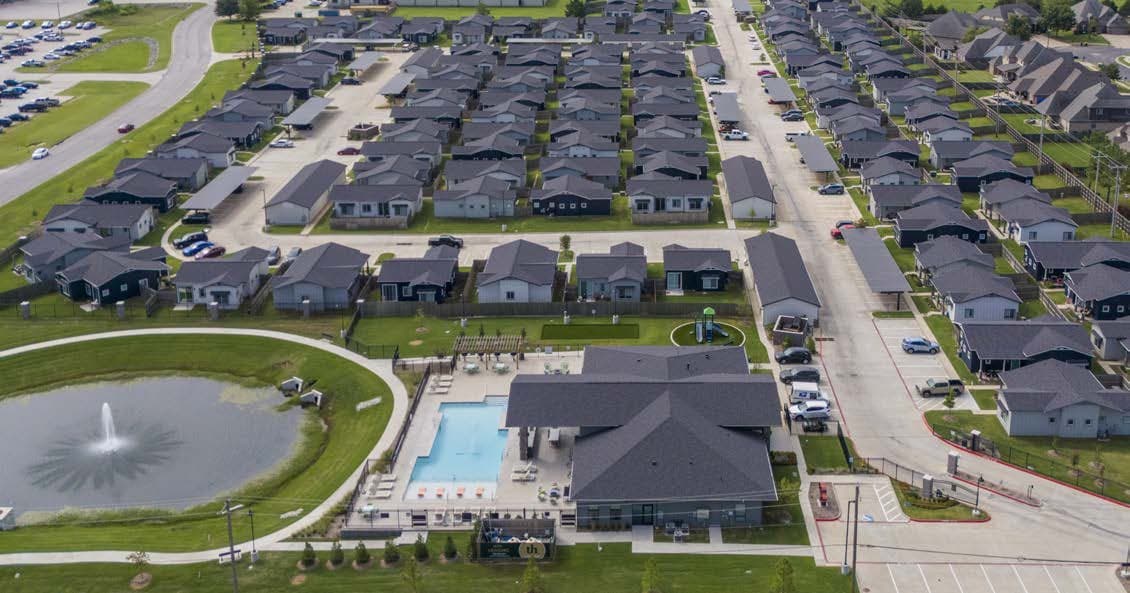
Griffin Capital Tulsa BTR DST
Meadow+Main is a newly constructed, institutional-quality BTR community. Completed in 2023, the Property comprises 138 single-family homes, each featuring waterfall-edge granite countertops, stainless-steel appliances, 10-foot ceilings, private fenced yards, and a premium amenity package that includes a resort-style pool, fitness center, clubhouse, and dog park. The Property is situated on 15.6 acres and contains approximately 141,500 square feet of net rental area.
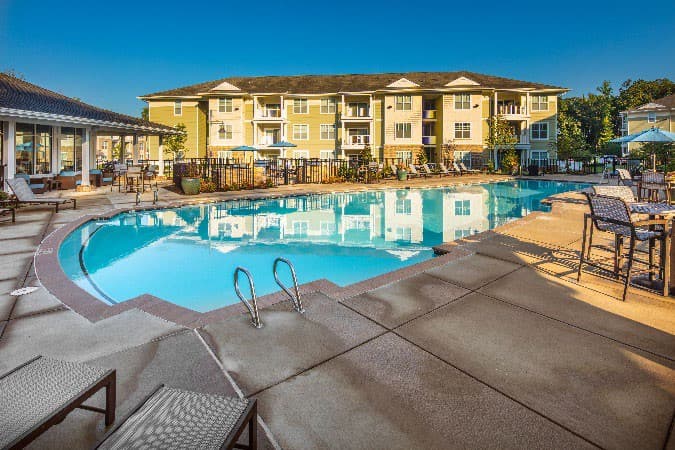
CS1031 Colony at Centerpointe Apartments, DST
<p>Colony at Centerpointe is a 255-unit, Class A-, garden-style apartment community built in 2016 and situated on approximately 17.828 acres within the Centerpointe master-planned community in Chesterfield County in the Richmond, Virginia metropolitan area.</p><p>High-quality interior finishes throughout include granite countertops, stainless steel appliances, LVP flooring, shaker-style cabinetry, brushed nickel hardware, in-unit washer/dryer, private balconies or patios, walk-in closets and nine-foot ceilings.</p>
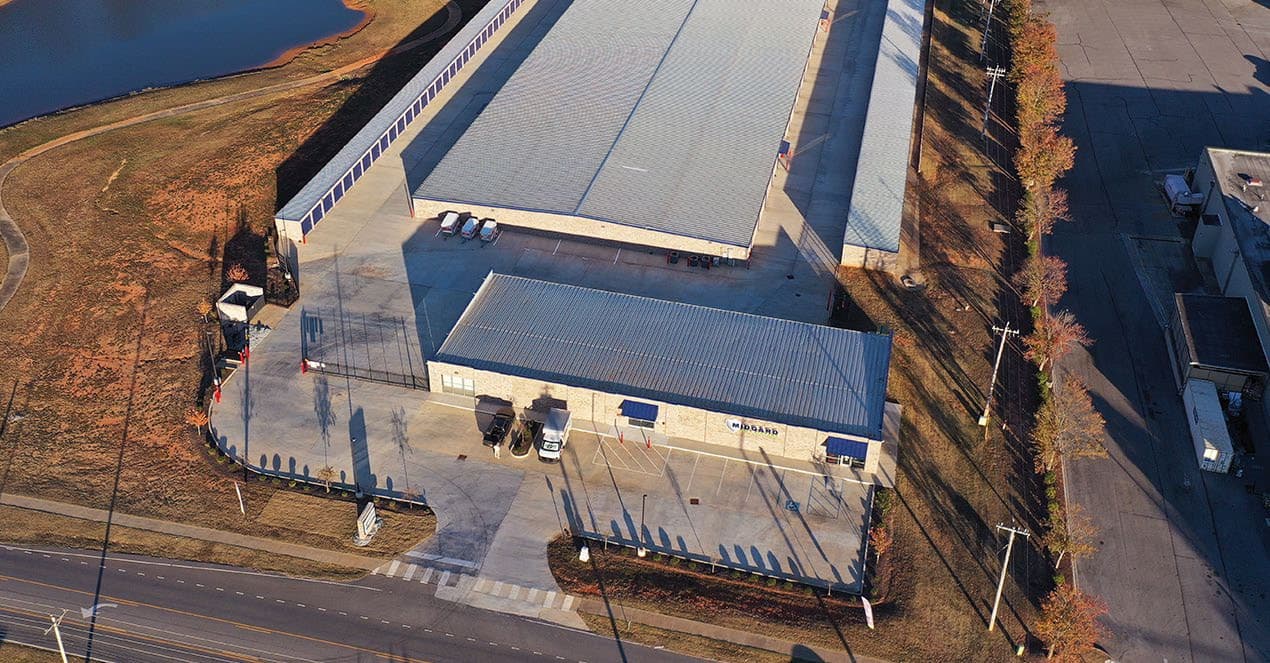
Reliant/Midgard Self Storage DST I
This offering combines a recently built self-storage asset with strong market fundamentals, experienced management, and a clear strategy for long-term NOI growth. Located within the Huntsville MSA, the property benefits from favorable supply-demand dynamics, population growth, and expanding employment drivers supporting continued storage demand. The asset is operated by an experienced, vertically integrated platform with a track record spanning more than 100 properties and 86 full-cycle investments.
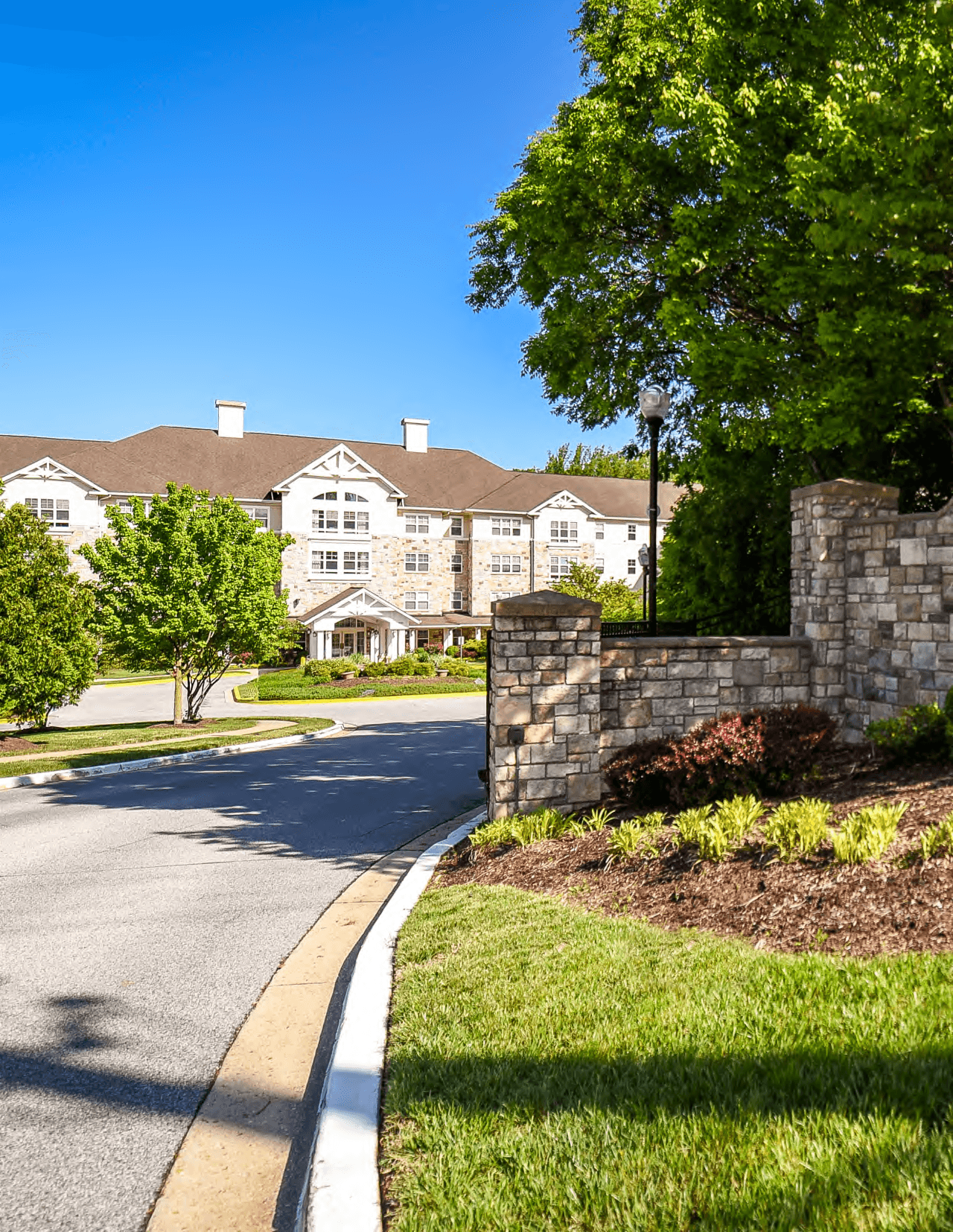
LSC-Fort Washingon MD, DST
The Property is a multifamily residential community for seniors, commonly known as "Chestnut Oaks" that was built in 2007. The Property is located on approximately 11.027 acres comprising one four-story building with a basement (69.5 feet in height) with 150 residential rental units. There is a total of 165 parking spaces, including 18 ADA spaces. Previous ownership reportedly invested approximately $1.51 million in capital improvements to the Property. Property amenities include a leasing office, a clubhouse with kitchen, lounge, community room, fitness center, game room, theater room, hair salon, library and BBQ area. The Sponsor, Livingston Street Capital, is a boutique commercial real estate private equity firm headquartered in Radnor, Pennsylvania. The Sponsor is active in the residential sector, including in active adult communities, which are multifamily residential properties that are restricted in age to tenants usually 55 or older, and independent living properties. The Sponsor has acquired a total of 25 properties in DST programs, 19 of which are multifamily, active adult, or independent living and total over 3,000 units spanning 12 states. The Sponsor's senior leadership team has collectively more than 75 years of experience in multiple aspects of real estate and capital markets.
Disclosure
Tax Complexity and Investment Risk
Tax laws and regulations, including but not limited to Internal Revenue Code Section 1031, bonus depreciation rules, cost segregation studies, and other tax strategies, contain complex concepts that may vary depending on individual circumstances. Tax consequences related to real estate investments, depreciation benefits, and other tax strategies discussed herein may vary significantly based on each investor's specific situation and current tax legislation. Anchor1031, LLC and Quincy Wells Capital, LLC make no representation or warranty of any kind with respect to the tax consequences of your investment or that the IRS will not challenge any such treatment. You should consult with and rely on your own tax advisor about all tax aspects with respect to your particular circumstances. Please note that Anchor1031 and Quincy Wells Capital, LLC do not provide tax advice.

The information contained in this article is for general educational purposes only and does not constitute legal, tax, investment, or financial advice. This content is not a recommendation or offer to buy or sell securities. The content is provided as general information and should not be relied upon as a substitute for professional consultation with qualified legal, tax, or financial advisors.
Tax laws, regulations, and IRS guidance regarding 1031 exchanges, opportunity zone investments, and related real estate strategies are complex and subject to change. Information herein may include forward-looking statements, hypothetical information, calculations, or financial estimates that are inherently uncertain. Past performance is never indicative of future performance. The information presented may not reflect the most current legal developments, regulatory changes, or interpretations. Individual circumstances vary significantly, and strategies that may be appropriate for one investor may not be suitable for another.
All real estate investments, including 1031 exchanges and opportunity zone investments, are speculative and involve substantial risk. There can be no assurance that any investor will not suffer significant losses, and a loss of part or all of the principal value may occur. Before making any investment decisions or implementing any 1031 exchange strategies, readers should consult with their own qualified legal, tax, and financial professionals who can provide advice tailored to their specific circumstances. Prospective investors should not proceed unless they can readily bear the consequences of potential losses.
While the author is a partner at Anchor1031, the views expressed are educational in nature and do not guarantee any particular outcome or create any obligations on behalf of the firm or author. Neither Anchor1031 nor the author assumes any liability for actions taken based on the information provided herein.